Crafted From Nature.
Discover the beauty of natural fibres, grasses, leaves and traditional craft materials. From jute and seagrass to bamboo, rattan and water hyacinth, explore textures that inspire timeless handmade products.
Explore Our Materials →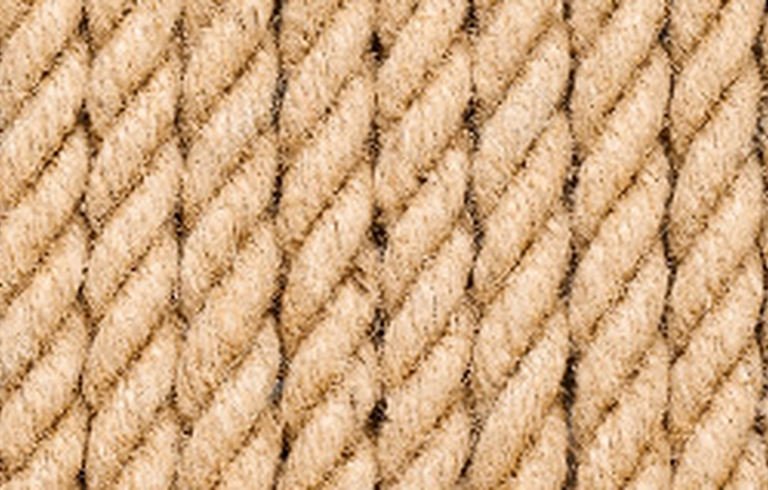
Natural Materials We Work With
Each material offers its own distinctive texture, strength and character. Explore traditional and contemporary materials used in handcrafted homeware, basketry, accessories and decorative products.
Plant Fibres & Grasses
Jute
Jute is a strong plant fibre extracted from jute stems. Known as the golden fibre, it is widely used in traditional and modern handicrafts.
Seagrass
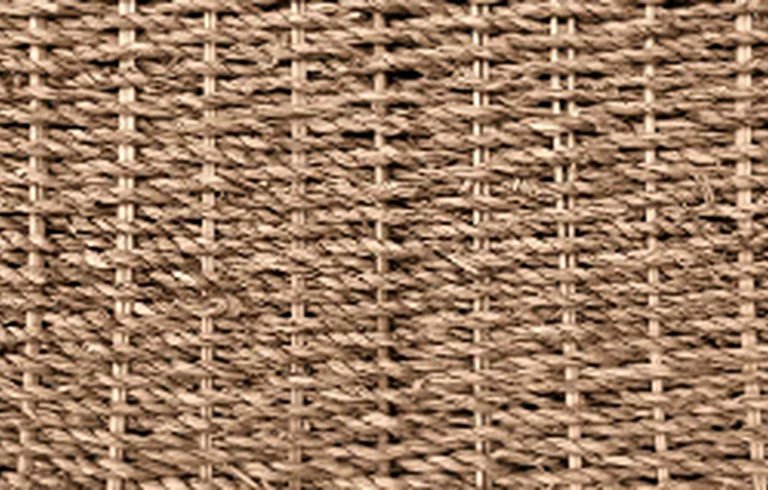
Flexible natural plant material valued for its smooth, earthy texture. Dried seagrass is often woven into practical and decorative products.
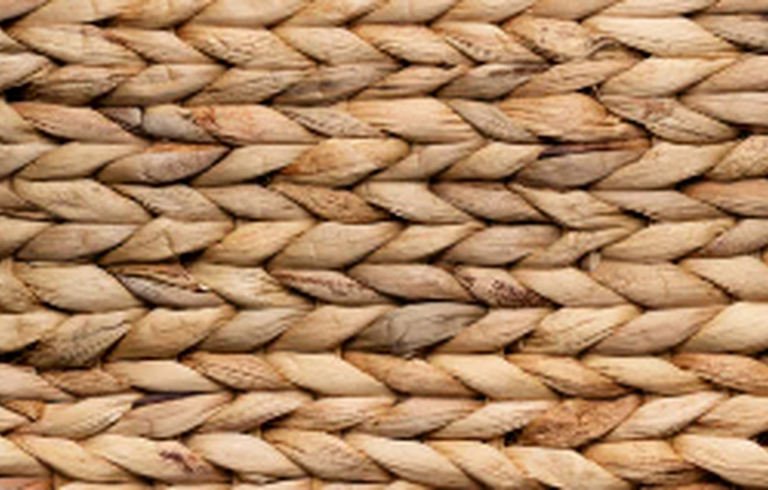
Water Hyacinth
The dried stems of water hyacinth create thick, tactile woven textures. This material is popular for handmade storage and home décor.
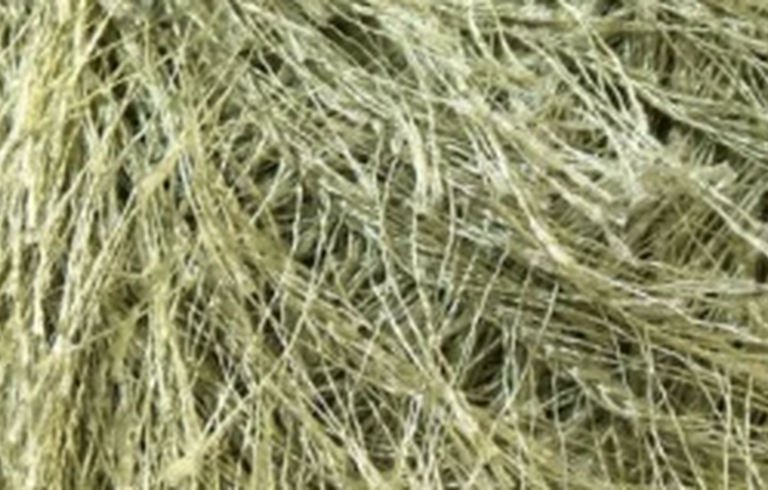
Kaisa Grass
A fine, flexible grass material used in traditional handweaving. It brings lightweight structure and a naturally rustic finish.
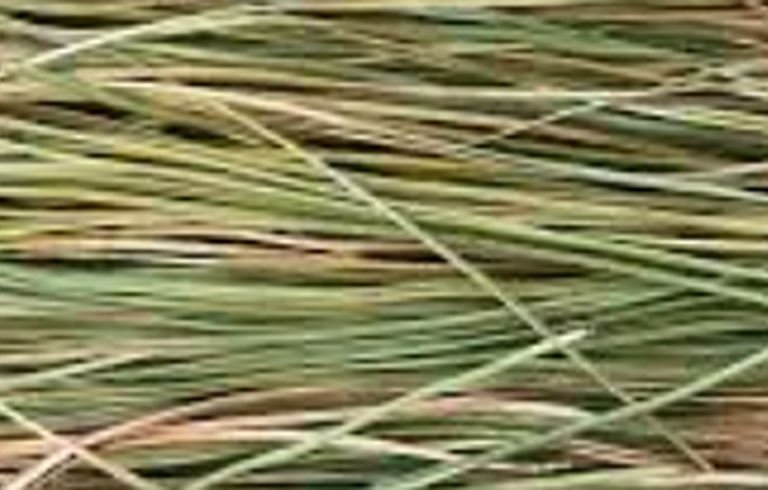
Kans Grass
Kans is a tall grass found across parts of Asia. Its dried stems and fibres can be prepared for weaving and handcrafted household products.
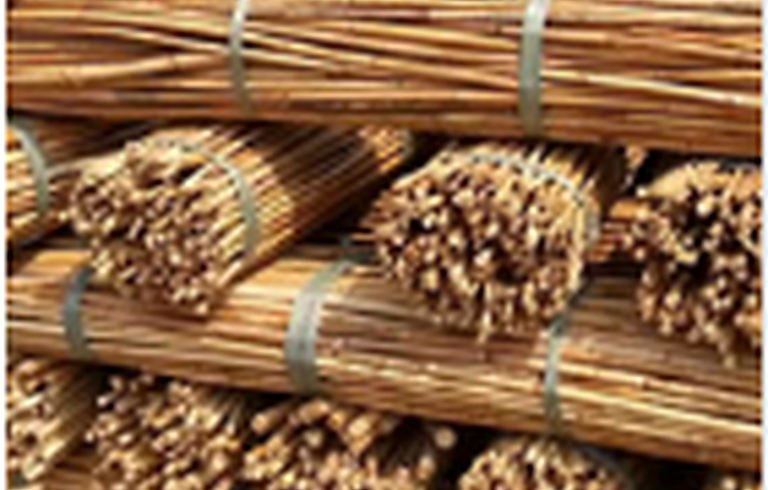
Rattan
Rattan comes from climbing palms and is known for its strength and flexibility. It can be bent and woven into durable craft structures.
Coconut Coir
Coir is a coarse natural fibre obtained from coconut husks. Its sturdy texture makes it useful for ropes, brushes and floor coverings.
Hemp
Hemp is a strong bast fibre traditionally processed into fabric, rope and other long-lasting textile products.
Patti Grass
A traditional weaving material associated with handmade mats and baskets. It offers a natural surface and a distinctive woven appearance.
Wheat Straw
Wheat straw is the dried stalk left after harvesting grain. It can be braided, bundled and shaped into lightweight craft products.
Leaves, Stems & Palm Materials
Bamboo
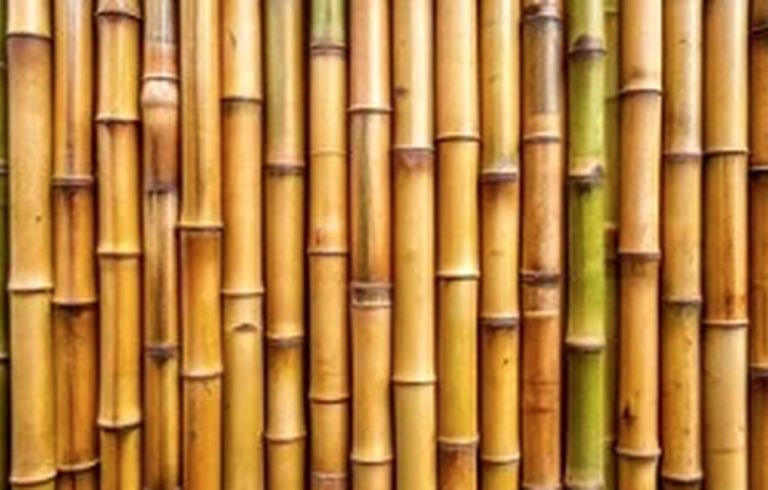
Bamboo is a fast-growing grass with strong, hollow stems. It can be split into strips and woven or used as a structural material.
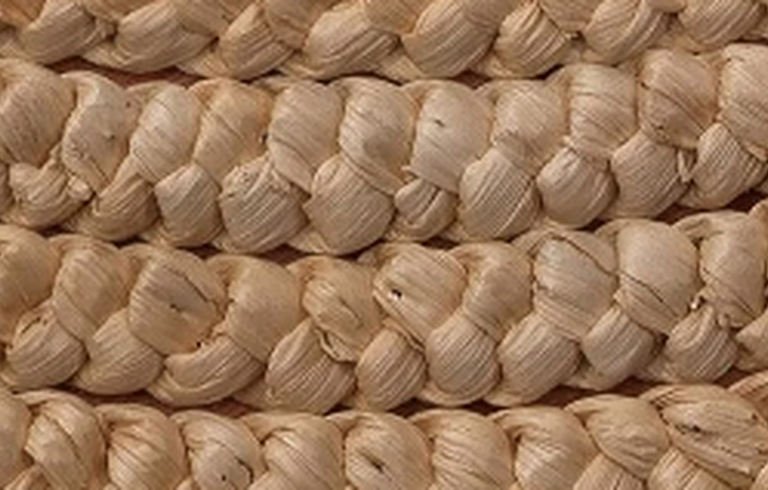
Date Leaf
Date palm leaves are dried and prepared for weaving. Their naturally textured appearance adds warmth to traditional handmade products.
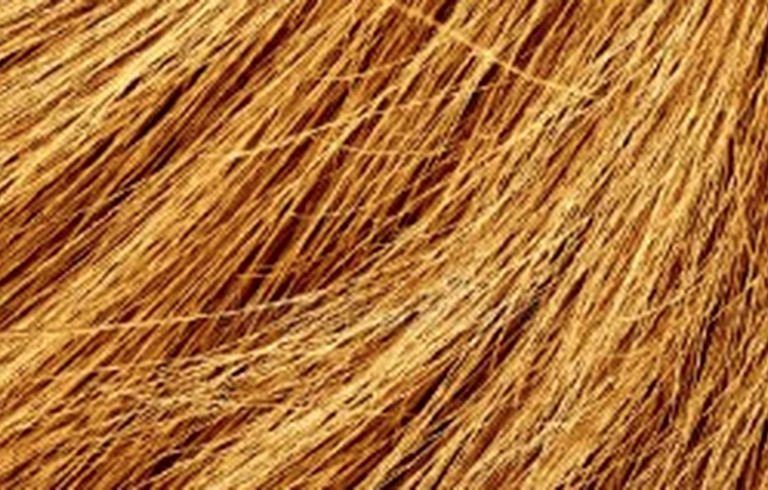
Palm Fibre
Palm fibre is obtained from fibrous parts of palm plants. Depending on the variety, it can be processed into strong strands.
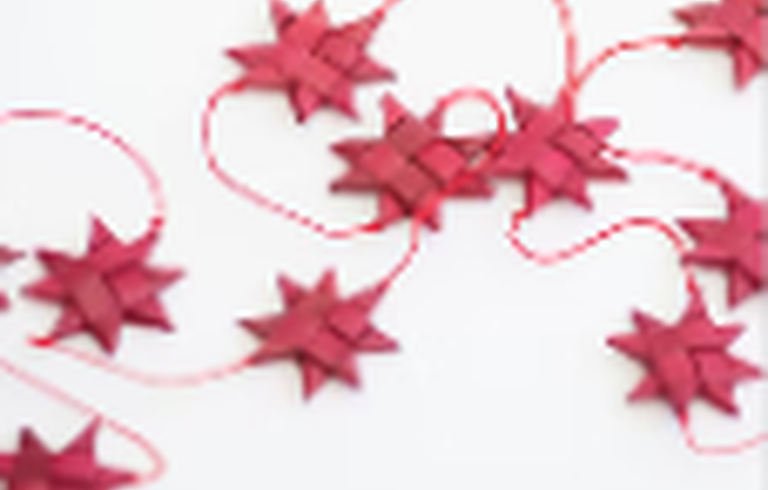
Palm Leaf
Palm leaves can be dried, folded, braided and woven. They are valued for their earthy appearance and versatility in handmade crafts.
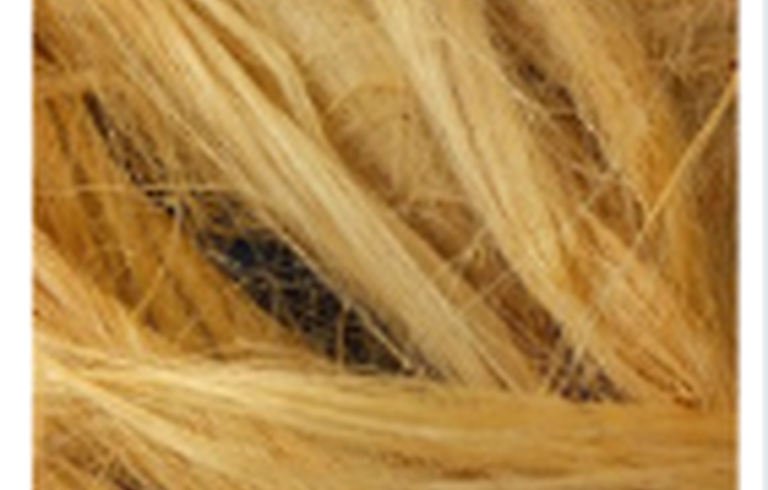
Banana Fibre
Banana fibre is extracted from the banana plant’s pseudostem. Its long strands can be spun, twisted and woven into craft products.
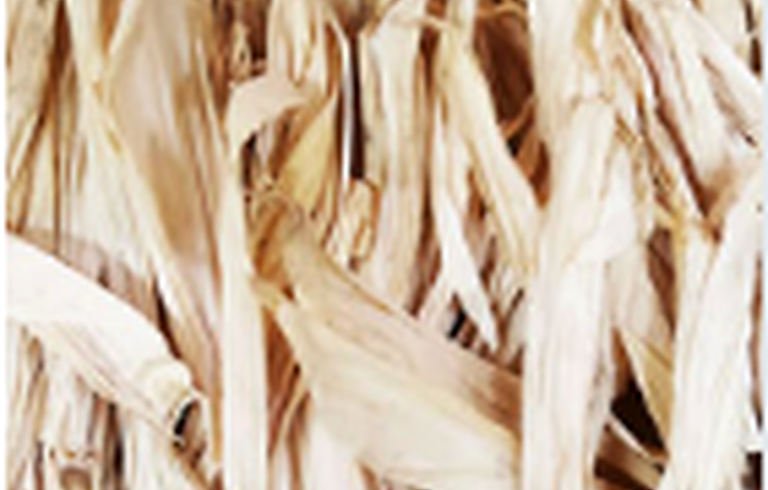
Corn Husk
Corn husks are the leaves surrounding corn ears. When dried and prepared, they become flexible craft materials with a rustic finish.
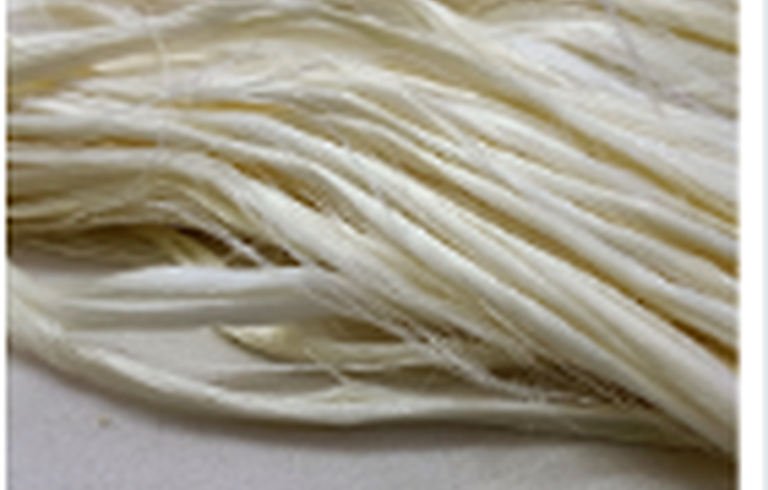
Pineapple Fibre
Fibre extracted from pineapple leaves can be processed into lightweight textiles, yarns and decorative craft materials.
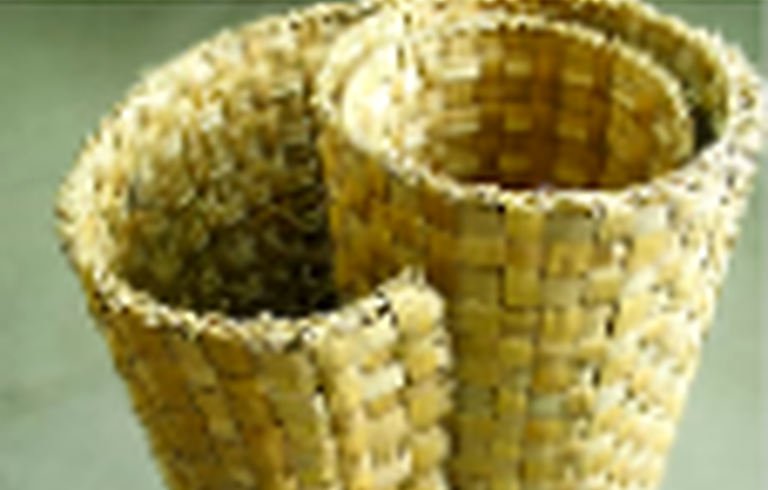
Hogla
Hogla is a wetland plant traditionally used in Bangladesh for weaving mats, baskets and practical home accessories.
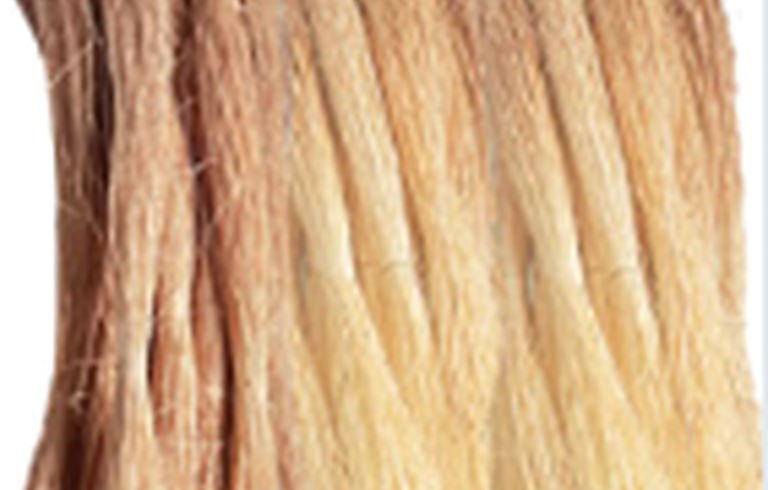
Raffia
Raffia is obtained from raffia palm leaves. Its flexible strands are widely used for weaving, crochet, wrapping and decoration.
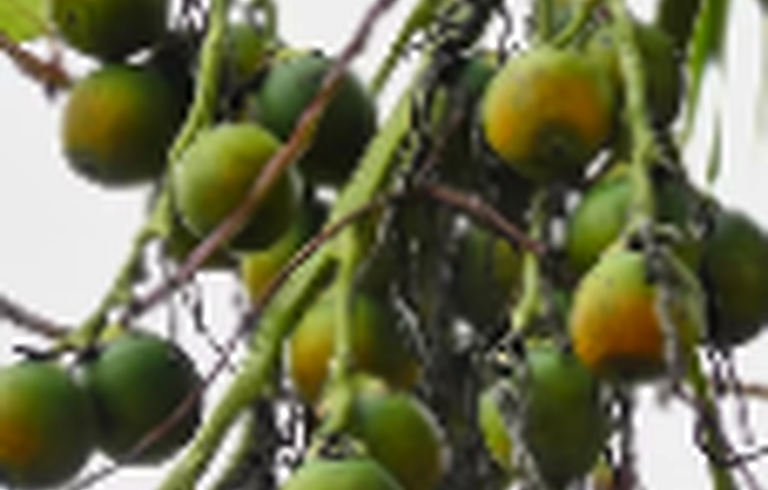
Betel Nut Palm
Fallen sheaths from the areca palm can be cleaned and heat-pressed into practical serving products and decorative items.
Textiles, Paper & Natural Colours
Cotton
Cotton is a soft plant fibre that grows around cotton seeds. It is widely spun into yarn and woven into fabrics.
Handmade Paper
Handmade paper can be produced from natural or recycled fibres. Each sheet can feature a distinctive handcrafted texture.
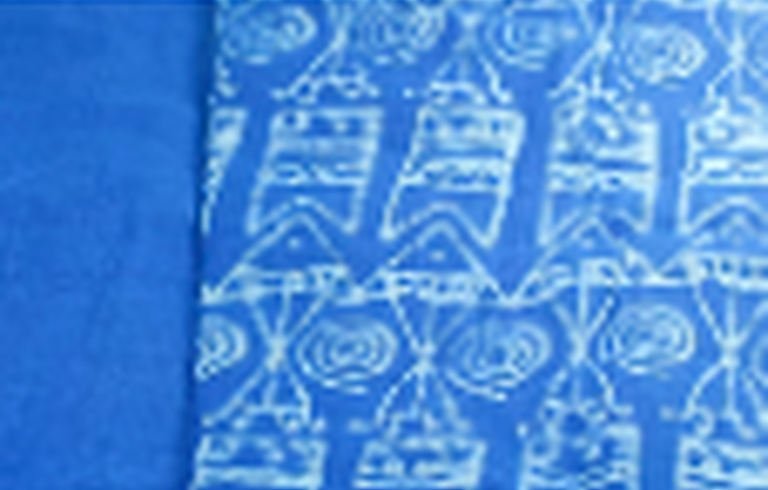
Indigo
Indigo is a traditional blue dye associated with centuries of textile craftsmanship. It creates distinctive shades and patterns.
Recycled Paper
Recovered paper can be repulped and transformed into useful paper sheets, packaging and handcrafted products.
Paper Mache
Paper mache is made by shaping paper pulp or layered paper with a binder. It is versatile for decorative objects.
Recycled Textiles
Reclaimed fabric and yarn can be transformed into new handmade products, reducing demand for virgin materials.
Other Traditional & Recycled Craft Materials
Terracotta
Terracotta is natural clay shaped and fired into functional or decorative objects with a warm, earthy finish.
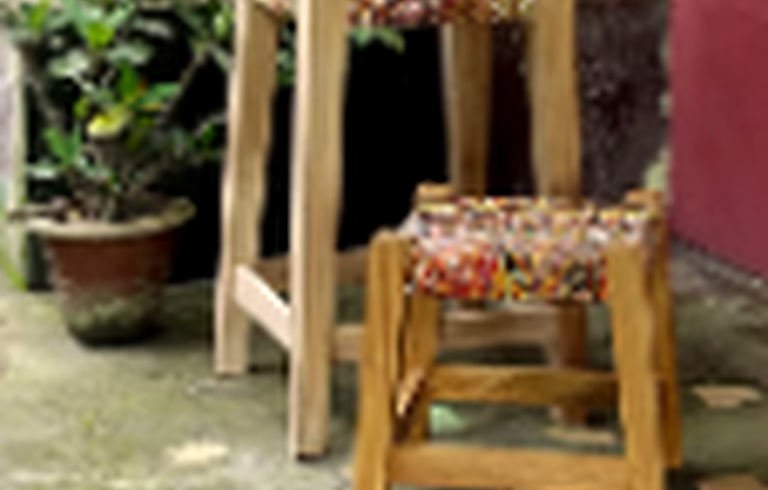
Wood
Wood is a versatile material that artisans carve, shape and finish into functional handmade products.
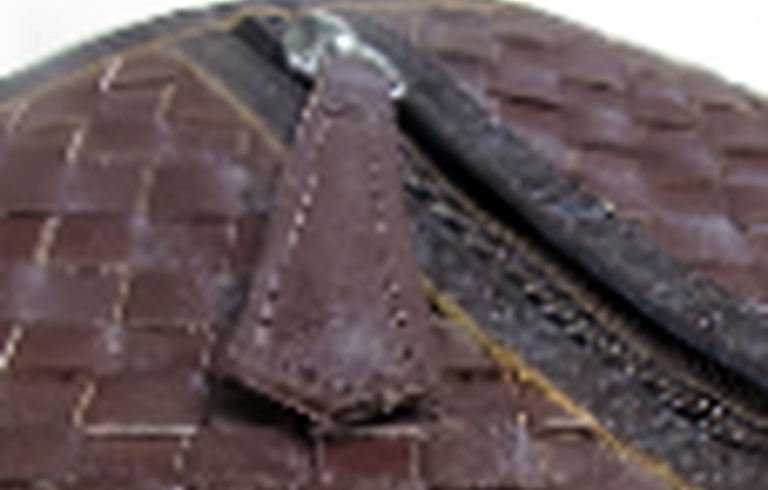
Leather
Leather is an animal-derived material traditionally processed and used for durable handmade accessories.
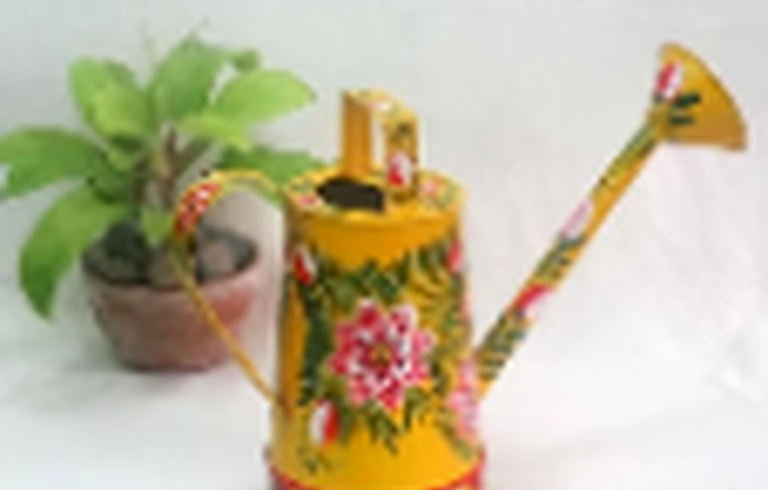
Recycled Metal
Reclaimed metal can be cleaned, reshaped and transformed into practical and decorative craft items.
Every Natural Fibre Tells a Story.
Natural materials have been an important part of traditional craftsmanship for generations. From the rich golden colour of jute to the elegant woven texture of seagrass, every material offers a different creative possibility.
Skilled artisans transform plant fibres, grasses, leaves and other natural resources into handmade products for modern lifestyles.
- Distinctive natural textures and colours
- Traditional craftsmanship and weaving
- Versatile material and design applications
- Timeless handmade homeware aesthetics
From Natural Fibres to Beautiful Products
Explore some of the ways natural materials can be transformed into handcrafted products for homes, retailers and lifestyle collections.
Storage Baskets
Handwoven storage solutions for modern homes.
Home Décor
Natural texture for beautiful living spaces.
Bags & Accessories
Handmade lifestyle and fashion accessories.
Furniture
Functional designs with traditional weaving.
Tableware
Natural trays, placemats and table accents.
Rugs & Mats
Decorative woven surfaces and floor coverings.
Gift Packaging
Beautiful handcrafted presentation products.
Garden Products
Natural planters and outdoor decorations.
Natural Materials FAQs
Learn more about common natural fibres, their properties and their applications in handmade products.
What natural materials are commonly used in handicrafts?
Common materials include jute, seagrass, water hyacinth, bamboo, rattan, date leaves, palm fibre, hogla, cotton, coconut coir and traditional grasses.
Which natural materials are best for handmade baskets?
Seagrass, water hyacinth, jute, rattan, hogla, bamboo and date leaves are popular basket-making materials. The choice depends on design, structure and desired texture.
What is the difference between jute and seagrass?
Jute is obtained from the stems of jute plants and is commonly processed into yarn and fabric. Seagrass used in craftwork is valued for its smooth, flexible strands and woven appearance.
Are natural fibre products biodegradable?
Many untreated natural plant fibres are biodegradable under appropriate conditions. However, chemical treatments, synthetic coatings and other added materials can affect how a finished product decomposes.
Can natural materials be used for modern home décor?
Yes. Materials such as jute, bamboo, rattan, seagrass and water hyacinth are often used in contemporary baskets, lighting, furniture and decorative home accessories.
How should natural fibre handicrafts be maintained?
Most woven natural fibre products benefit from gentle dusting and dry storage. Avoid prolonged exposure to moisture unless the product is specifically designed and finished for it. Always follow the maker’s care instructions.
Let’s Create Something Beautiful, Naturally.
Explore natural material options for your next handcrafted homeware, basketry or lifestyle collection. Share your project requirements and discover the possibilities of natural craftsmanship.
Discuss Your Project →