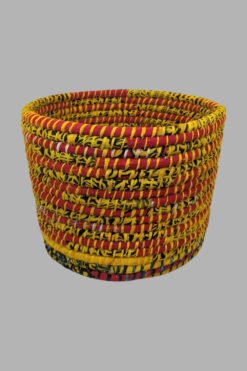
 Sweet case
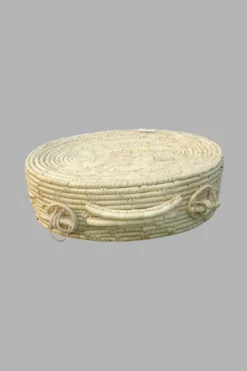
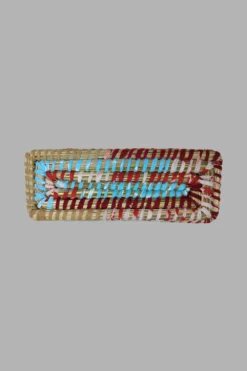
  Tray Small (faka design)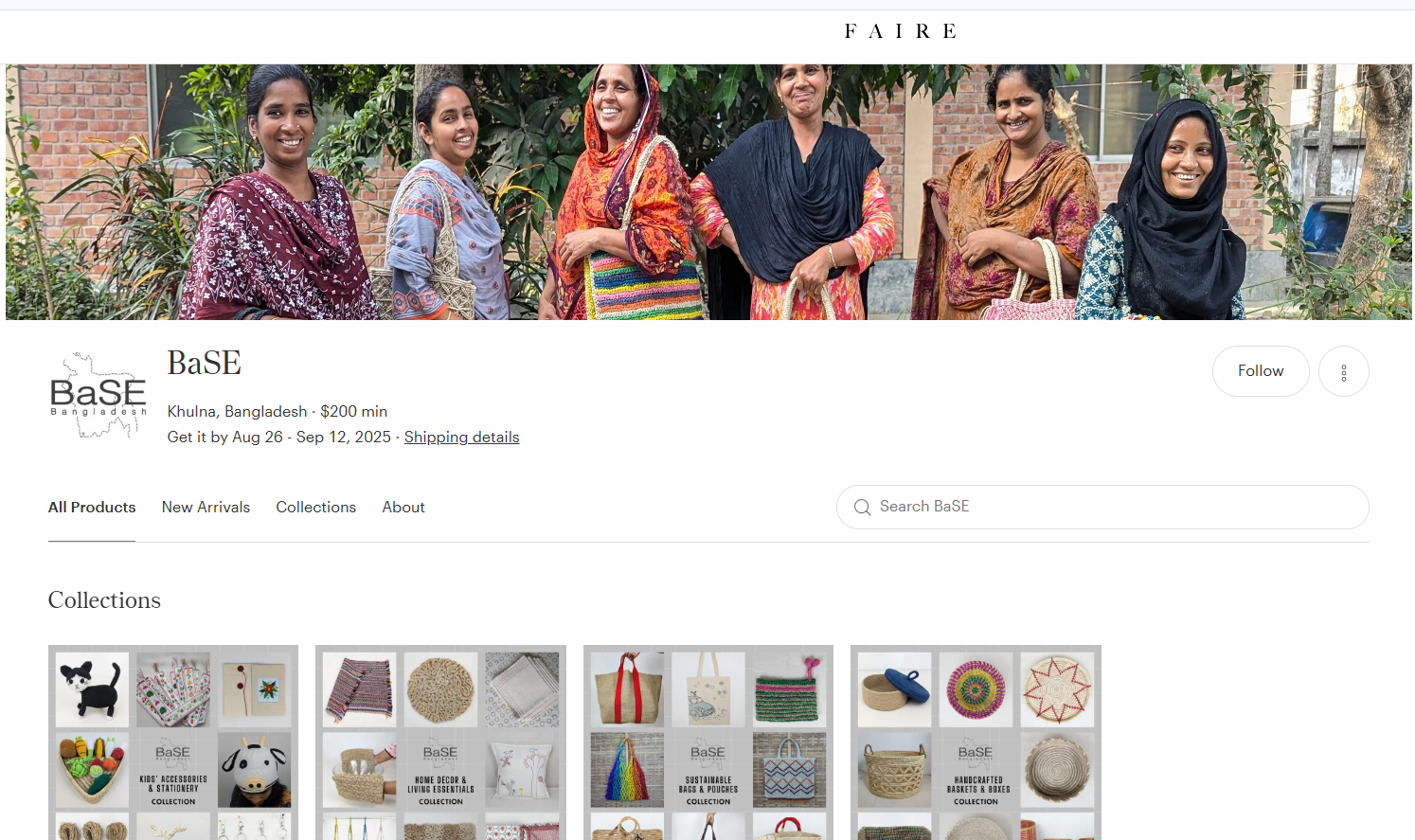
When you’re walking down the coffee or chocolate aisle, you’ve probably noticed labels that say Fair Trade Certified. The badge looks official and trustworthy, but what does it really mean? Is it just clever marketing, or is there a deeper story behind it?
At its core, Fair Trade Certified is about ensuring fairness, transparency, and sustainability in global trade. It means that the farmers, workers, and artisans who make the products we enjoy are paid fairly, work in safe conditions, and have access to community benefits. It also means that the products are sourced in ways that protect the environment and promote long-term economic development.
But the concept goes beyond just wages. Fair trade is an entire system of standards, including:
- Fair wages for producers and workers
- Safe working conditions with no child or forced labor
- Environmental sustainability, reducing harmful chemicals and protecting biodiversity
- Community development funds, where part of the profit is reinvested into schools, healthcare, or clean water projects
According to Fair Trade Certified, over 1 million farmers and workers across 70+ countries benefit directly from this system. This means when you buy a product with the label, you’re not just buying coffee beans or a bar of chocolate—you’re supporting ethical supply chains.
Table of Contents
- What is Fair Trade Certification?
- The Core Principles Behind Fair Trade Certified
- How Does a Product Become Fair Trade Certified?
- What Products Can Be Fair Trade Certified?
- Fair Trade Products from BaSE Bangladesh
- Crochet Toy- Cat
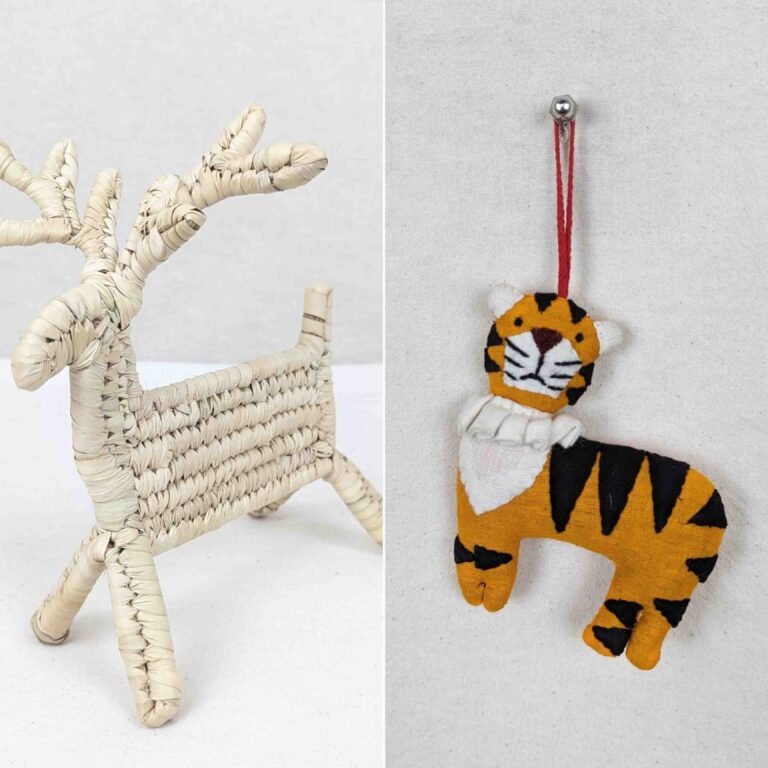
- BaSE-91001 Hanging Animals
- Mahin Basket (Faka Design)
- BaSE-17006a Sari and Kaisa Round Basket
- BaSE-25013 Sari Faka Lota Basket
- BaSE-11019b Sari Faka Round Basket
- Tray Small (faka design)
- BaSE-17016abc Sari & Kaisa Bowl Set 3
- Why Does Fair Trade Certification Matter?
- Common Misconceptions About Fair Trade Certified
- How to Identify Fair Trade Certified Products
- Criticisms and Challenges of Fair Trade Certification
- Alternatives and Related Ethical Certifications
- How You Can Support Fair Trade as a Consumer
- The Future of Fair Trade Certified
- FAQs About Fair Trade Certified
- Conclusion
What is Fair Trade Certification?
Fair Trade Certification is a verification system that ensures goods are produced under strict ethical, social, and environmental standards. Products carrying this label have been audited by independent bodies such as Fair Trade USA or Fairtrade International.
Think of it as a stamp of approval that guarantees producers follow rules on wages, working conditions, and sustainability. Importantly, “Fair Trade Certified” (used in the U.S.) and “Fairtrade” (used globally) refer to the same concept but may come from different certifying organizations.
This certification is not a donation or charity. It’s a trade model that ensures a fairer distribution of wealth across global supply chains.
The Core Principles Behind Fair Trade Certified
Fair trade rests on four main pillars:
Fair Wages and Economic Fairness
Farmers and workers earn a stable, fair price for their products, protecting them from extreme market fluctuations. This provides financial security, reduces poverty, and supports long-term growth.
Environmental Sustainability
Fair trade bans harmful pesticides, promotes organic farming, and protects forests. By focusing on sustainable agriculture, it supports ecosystems and reduces climate damage.
Safe and Fair Working Conditions
Workers are guaranteed safe workplaces, fair treatment, and respect. Practices such as child labor, forced labor, or discrimination are prohibited.
Community Development and Social Impact
Part of the premium from fair trade sales is invested back into local communities. This can mean funding schools, healthcare, or clean water projects. For example, cocoa cooperatives in Ghana have built schools and provided scholarships with fair trade premiums.
How Does a Product Become Fair Trade Certified?
The Certification Process Explained
The road to certification is rigorous:
- Producers apply through a recognized fair trade organization.
- Independent auditors review their farming, labor, and environmental practices.
- Annual audits ensure compliance and continuous improvement.
Who Oversees Certification?
Bodies such as Fair Trade USA and FLO-CERT (the certification arm of Fairtrade International) manage audits and approvals. This independent oversight helps ensure credibility and prevents “greenwashing.”
What Products Can Be Fair Trade Certified?
The label appears on a wide range of goods, including:
- Food & Beverages: coffee, tea, cocoa, bananas, sugar
- Clothing & Textiles: cotton, apparel
- Handicrafts: baskets, jewelry, artisan goods
- Beauty & Skincare: shea butter, soaps, oils
- Emerging Categories: flowers, wine, and even gold
Coffee remains the most recognized fair trade product, but today the movement spans over 30 product categories.
Fair Trade Products from BaSE Bangladesh











Why Does Fair Trade Certification Matter?
For Consumers
It gives buyers confidence that their purchases align with ethical and sustainable values. It’s transparency at the checkout line.
For Producers
Farmers gain access to global markets, stable incomes, and investment in their communities. They are no longer at the mercy of unfair trade practices.
For the Planet
Sustainable farming reduces deforestation, lowers carbon emissions, and preserves ecosystems. Buying certified products is a direct way to support the environment.
Common Misconceptions About Fair Trade Certified
- Myth: Fair trade is charity.
Reality: It’s a trade system based on fair standards. - Myth: All ethical labels mean the same.
Reality: Organic focuses on farming methods, while Rainforest Alliance focuses on biodiversity. Fair Trade combines economic, social, and environmental goals. - Myth: Fair trade products are always more expensive.
Reality: Some may cost slightly more, but many are competitively priced, and the benefits justify the difference.
How to Identify Fair Trade Certified Products
Look for the Fair Trade Certified label—a small green-and-black logo. Products with this badge have passed strict auditing standards.
You can find them at:
- Supermarkets (Whole Foods, Walmart, Trader Joe’s)
- Online marketplaces (Amazon, Thrive Market)
- Farmers’ markets and specialty stores
Be cautious of misleading labels. If the logo doesn’t match the official certifying bodies, it may not be authentic.
Criticisms and Challenges of Fair Trade Certification
While the system is strong, it isn’t perfect.
- Certification costs can be high for small farmers.
- Some critics argue not all premiums reach producers.
- Market demand still limits how many goods are sold under the label.
Still, studies show that fair trade generally improves livelihoods and community development.
Alternatives and Related Ethical Certifications
Other certifications with overlapping goals include:
- Organic Certification: Focuses on farming without synthetic chemicals.
- Rainforest Alliance: Protects ecosystems and wildlife.
- Direct Trade: Businesses buy directly from farmers, ensuring transparency but without third-party certification.
- B-Corp Certification: Verifies entire companies for social and environmental responsibility.
How You Can Support Fair Trade as a Consumer
Supporting fair trade doesn’t require drastic changes. Start small:
- Buy certified coffee, tea, or chocolate.
- Choose fair trade cotton when shopping for clothes.
- Spread awareness among friends or on social media.
- Support brands that prioritize ethical sourcing.
Each purchase is a vote for fairness in global trade.
The Future of Fair Trade Certified
The movement continues to grow.
- New technologies like blockchain are improving supply chain transparency.
- Consumer demand for ethical products is rising.
- Fair trade principles are expanding to industries like fashion, gold, and wine.
- The system may play a major role in tackling climate change and inequality.
FAQs About Fair Trade Certified
What does Fair Trade Certified coffee mean?
Coffee farmers were paid fair prices and worked under ethical conditions.
Is Fair Trade the same as organic?
No. Organic is about farming methods; fair trade covers wages, rights, and sustainability.
Are Fair Trade products better for farmers?
Yes, they usually earn more and benefit from community development programs.
Do Fair Trade labels guarantee quality?
The label speaks to ethics, not taste—but many certified products are also high quality.
Why are Fair Trade products sometimes more expensive?
Higher standards of wages and sustainability can increase costs, but not always.
Conclusion
So, what does Fair Trade Certified mean? It means fairness, dignity, and sustainability built into the products we use daily. From coffee beans to cotton shirts, the label is a promise that workers are respected, communities benefit, and the planet is protected.
As consumers, every choice counts. By supporting fair trade, you become part of a system that prioritizes people and the planet over profit. The world doesn’t change overnight—but every fair trade purchase moves it in the right direction.